Introduction
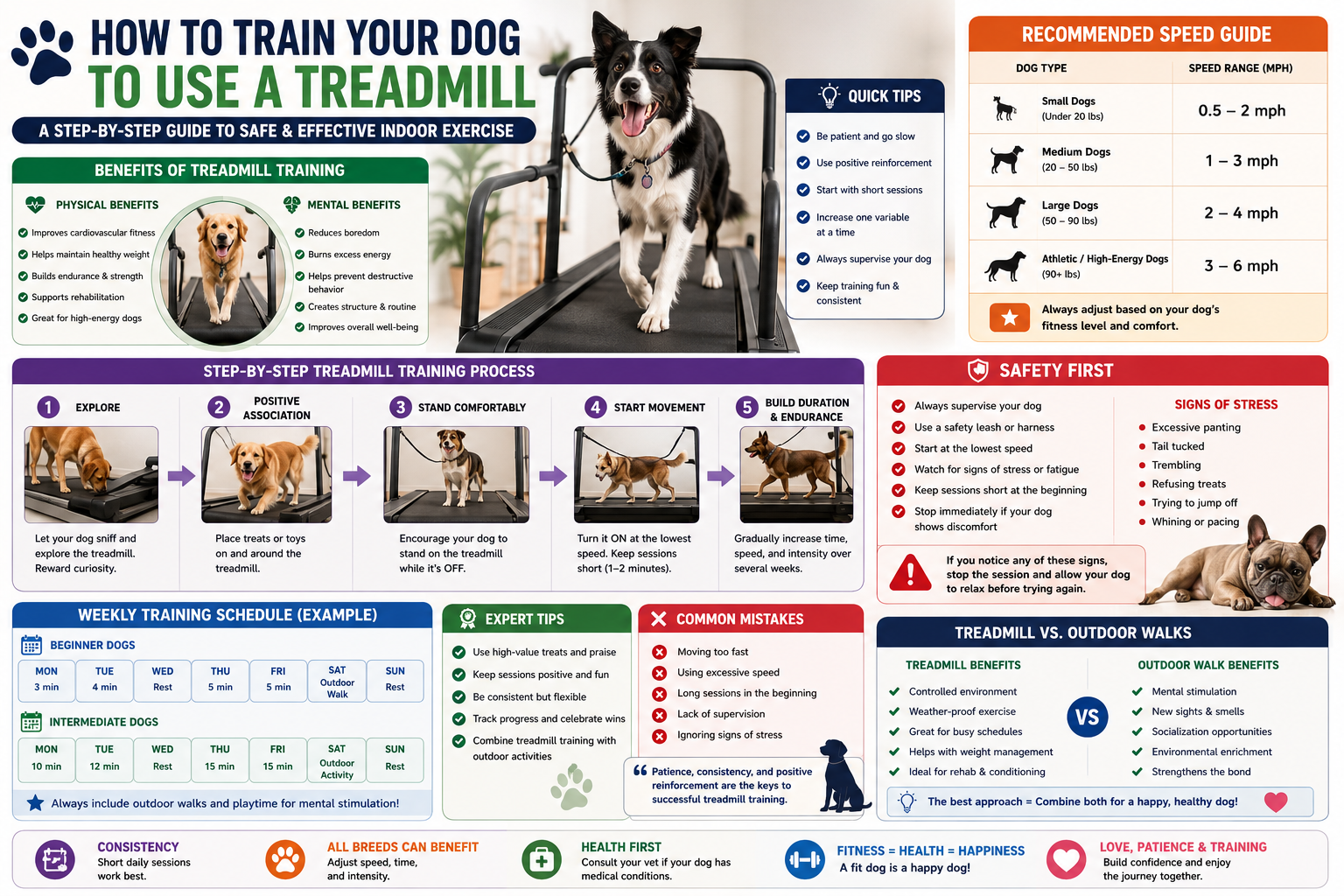
Keeping your dog active doesn’t always require a large backyard or daily trips to the park. With the right approach, easy home workouts for dogs can improve physical fitness, reduce boredom, strengthen your bond, and support long-term health. Whether you live in an apartment or simply want rainy-day exercise ideas, indoor workouts can provide an effective solution.
A well-planned routine combines movement, training, and mental challenges to keep your pet engaged. Even 20 to 30 minutes of purposeful activity each day can make a noticeable difference in energy levels and behavior.
What You’ll Learn
In this guide, you’ll discover:
- The benefits of indoor exercise
- Equipment-free workouts anyone can try
- Daily and weekly workout plans
- Age-specific exercise recommendations
- Weight management strategies
- Mental enrichment activities
- Safety precautions and common mistakes
Why Easy Home Workouts for Dogs Are Important
Physical Health Benefits
Regular movement helps dogs maintain healthy muscles, flexible joints, strong bones, and a healthy weight. Indoor exercise is especially valuable during extreme weather, illness recovery, or periods when outdoor access is limited.
Benefits include:
- Better cardiovascular fitness
- Improved muscle tone
- Reduced obesity risk
- Increased flexibility
- Better balance and coordination
- Healthier digestion
- Stronger immune support
Dogs that exercise consistently are also more likely to maintain ideal body condition throughout adulthood.
Mental Health Benefits
Physical movement alone isn’t enough. Dogs thrive when they solve problems and explore new challenges.
Mental exercise can:
- Reduce anxiety
- Lower stress
- Prevent boredom
- Improve confidence
- Encourage learning
- Strengthen focus during training
Simple games such as hide-and-seek or scent work stimulate the brain while burning energy.
Preventing Destructive Behaviors
Many unwanted behaviors stem from excess energy rather than disobedience.
Common problems reduced through indoor workouts include:
- Excessive barking
- Chewing furniture
- Digging carpets
- Jumping on guests
- Hyperactivity
- Restlessness
- Attention-seeking behaviors
Providing structured daily exercise channels energy into productive activities and creates a calmer home environment.
Indoor Dog Exercises That Require No Equipment
One of the best aspects of home workouts is that most require nothing more than a safe space and your time.
1. Hallway Fetch
A hallway offers a controlled environment where dogs can sprint short distances safely.
Steps:
- Remove obstacles.
- Toss a soft toy.
- Encourage retrieval.
- Repeat for 10–15 minutes.
- Allow water breaks.
Benefits:
- Burns energy quickly
- Improves recall skills
- Builds cardiovascular endurance
2. Tug of War
When played with clear rules, tug strengthens muscles and reinforces impulse control.
Tips:
- Use a durable rope toy.
- Teach “drop it.”
- Avoid jerking aggressively.
- End sessions positively.
Benefits:
- Builds jaw strength
- Improves engagement
- Strengthens owner-dog bonding
3. Hide and Seek
Ask your dog to stay while you hide somewhere in the house. Call their name and reward them when they find you.
This activity improves:
- Nose work
- Recall
- Problem-solving
- Confidence
4. Stair Climbing
For healthy adult dogs, supervised stair climbing provides an excellent cardio workout.
Guidelines:
- Start slowly.
- Use short sessions.
- Avoid for puppies with developing joints.
- Skip if your dog has arthritis or orthopedic problems.
5. Follow-the-Leader
Walk around furniture, change directions, stop suddenly, and encourage your dog to mirror your movements.
Benefits include:
- Coordination
- Focus
- Obedience
- Mental engagement
- Low-impact exercise
Conclusion:
Easy home workouts for dogs are a simple and effective way to keep your furry companion healthy, happy, and mentally engaged without leaving the house. Whether you live in a small apartment, face bad weather, or have a busy schedule, regular indoor exercise can provide the physical activity and stimulation your dog needs to thrive.
By combining games like hallway fetch, hide-and-seek, tug of war, stair exercises, and DIY agility activities with positive reinforcement, you can create a fun fitness routine that suits your dog’s age, size, and energy level. Consistency is more important than intensity, so even short daily sessions can improve behavior, maintain a healthy weight, and strengthen the bond between you and your pet.
FAQs
1. What are the best easy home workouts for dogs?
Some of the best easy home workouts for dogs include hallway fetch, tug of war, hide-and-seek, stair climbing (for healthy adult dogs), obstacle courses, scent games, and basic obedience training. These activities provide both physical exercise and mental stimulation.
2. Can indoor exercise replace daily walks for dogs?
Indoor exercise can help keep your dog active, but it should not completely replace outdoor walks whenever possible. Walks offer opportunities for socialization, new scents, and environmental enrichment that indoor activities cannot fully replicate.
3. How much exercise does a dog need every day?
The amount of exercise depends on your dog’s age, breed, and health. Most adult dogs need 30 to 120 minutes of activity daily, while puppies and senior dogs may require shorter, more frequent sessions tailored to their energy levels.
4. How can I tire my dog out indoors?
You can tire your dog out indoors by combining physical activities like fetch or tug of war with mentally stimulating games such as puzzle toys, scent work, hide-and-seek, and obedience training.
5. Are home workouts suitable for apartment dogs?
Yes. Many easy home workouts for dogs are perfect for apartment living. Low-space activities like follow-the-leader, indoor fetch with soft toys, trick training, and interactive games can help dogs stay active even in small homes.
6. What are the safest indoor exercises for senior dogs?
Senior dogs benefit from gentle walks around the house, light stretching, slow-paced games, food puzzles, and short training sessions. Avoid high-impact activities like jumping or excessive stair climbing unless approved by a veterinarian.
7. Can puppies do home workouts?
Yes, but puppies should have age-appropriate exercise. Short play sessions, basic obedience training, gentle fetch, and supervised exploration are ideal. Avoid strenuous workouts that may stress developing joints and bones.
8. What equipment do I need for home dog workouts?
Most indoor exercises require little or no equipment. Optional items like soft balls, rope toys, puzzle feeders, cones, tunnels, and agility poles can make workouts more engaging but are not essential.
9. How do I know if my dog is getting too much exercise?
Signs of overexertion include excessive panting, limping, reluctance to move, unusual fatigue, vomiting, or heavy drooling. If you notice these symptoms, stop the activity immediately, allow your dog to rest, and contact your veterinarian if needed.
10. Can home workouts help overweight dogs lose weight?
Yes. Consistent indoor exercise combined with portion-controlled nutrition and veterinary guidance can support healthy weight loss. Low-impact activities such as walking indoors, scent games, and controlled fetch sessions are excellent starting points.
11. What mental exercises can I do with my dog at home?
Mental enrichment activities include puzzle toys, treat hunts, hide-and-seek, scent games, trick training, obedience practice, and interactive feeders. These exercises reduce boredom and improve problem-solving skills.
12. How often should I change my dog’s workout routine?
Changing or rotating activities every one to two weeks helps prevent boredom and keeps your dog engaged. Mixing physical exercise with mental challenges creates a more balanced fitness routine.
13. Is stair climbing a good workout for dogs?
Stair climbing can be an effective cardiovascular exercise for healthy adult dogs, but it may not be suitable for puppies, senior dogs, or dogs with joint or mobility issues. Always supervise and limit the duration.
14. Can I exercise my dog at home without any toys?
Absolutely. Games like hide-and-seek, follow-the-leader, obedience drills, recall practice, and simple running exercises require no toys and still provide excellent physical and mental stimulation.
15. How can I create a daily home workout routine for my dog?
Start with a 5-minute warm-up, followed by 15–30 minutes of active play or training, include a mental enrichment activity such as a puzzle or scent game, and finish with a cool-down walk around the house and fresh water. Adjust the duration based on your dog’s age, breed, and fitness level.