Bringing home your first dog is an exciting and rewarding experience. Along with the joy of having a loyal companion comes the responsibility of teaching your pet good behavior and building healthy habits. If you’re a new dog owner, learning the essential dog training tips for first-time pet owners will help create a strong bond with your furry friend while preventing common behavior problems.
Dog training isn’t about punishment or strict discipline. Instead, it focuses on communication, consistency, and positive reinforcement. Whether you’ve adopted a playful puppy or an adult rescue dog, the right training methods can help your pet become a well-behaved member of your family.
Why Dog Training Is Important
Training is more than teaching your dog to sit or stay. It helps improve communication between you and your pet while ensuring their safety in different situations.
Benefits of proper dog training include:
- Builds trust between you and your dog
- Prevents destructive behavior
- Improves social skills
- Enhances your dog’s confidence
- Makes daily routines easier
- Creates a safer environment for everyone
Dogs thrive on routine and clear expectations. Starting training early makes learning easier and encourages lifelong good habits.
Start with Positive Reinforcement
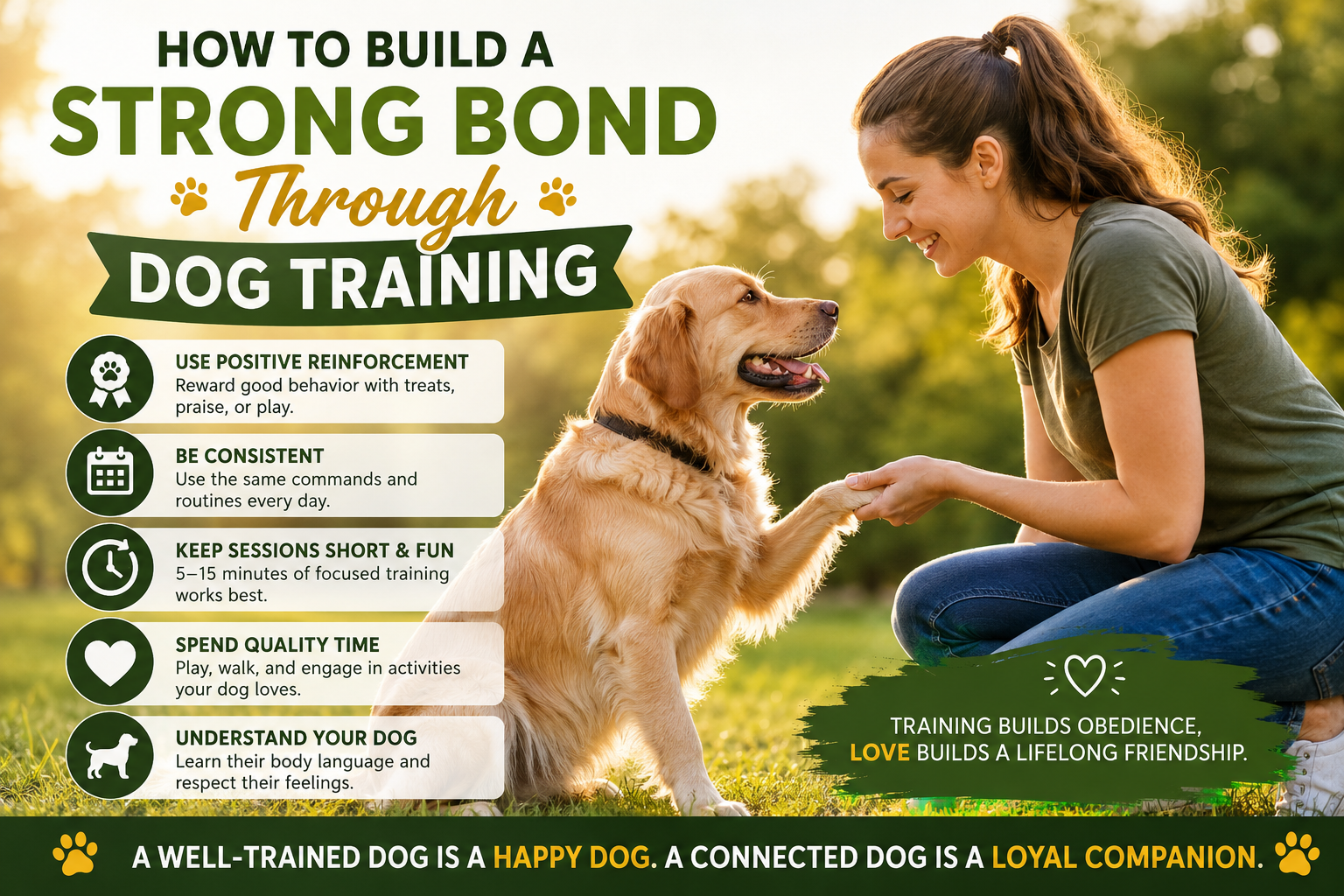
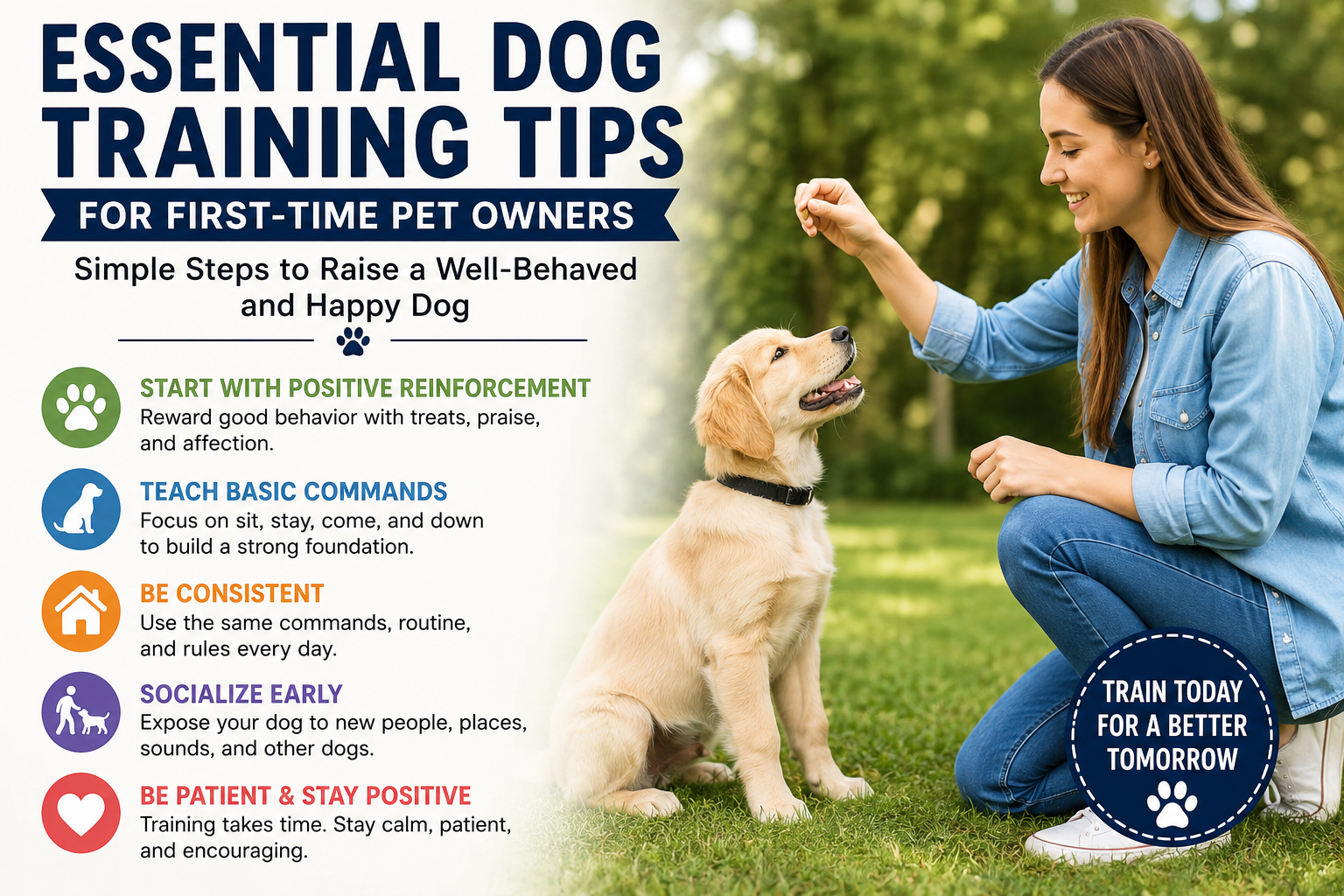
One of the most effective dog training techniques is positive reinforcement. This method rewards your dog for good behavior instead of punishing unwanted actions.
Common rewards include:
- Healthy treats
- Favorite toys
- Verbal praise
- Belly rubs
- Playtime
For example, if your dog sits when asked, immediately reward them with a treat and praise. This helps your dog associate the command with something positive.
Avoid yelling or physical punishment, as it can create fear and damage the relationship between you and your pet.
Teach Basic Obedience Commands
Every first-time pet owner should begin with simple commands before moving to advanced training.
Sit
Hold a treat above your dog’s head and slowly move it backward. As your dog naturally sits, say “Sit” and reward immediately.
Stay
Ask your dog to sit, hold your hand out, and say “Stay.” Take one step back before rewarding if they remain still.
Come
Call your dog’s name followed by “Come” using an enthusiastic voice. Reward generously when they reach you.
Down
Guide your dog into a lying position using a treat and reward once they are fully down.
Practice each command for 5–10 minutes daily to keep training fun and effective.
House Training Your Dog
House training is one of the biggest challenges for new pet owners. Consistency is the key to success.
Follow these steps:
- Take your dog outside every two to three hours.
- Visit the same potty spot each time.
- Reward your dog immediately after successful potty breaks.
- Maintain a consistent feeding schedule.
- Supervise your dog indoors.
Accidents may happen during training. Clean them thoroughly and avoid punishing your dog, as they are still learning.
Socialize Your Dog Early
Proper dog socialization helps prevent fear and aggression later in life.
Expose your dog to:
- Different people
- Children
- Friendly dogs
- Various environments
- Household noises
- Car rides
Introduce new experiences gradually while rewarding calm behavior. Positive socialization helps your dog become confident in unfamiliar situations.
Leash Training Basics
Walking politely on a leash is an important life skill.
Tips for successful leash training:
- Use a comfortable harness or collar.
- Keep the leash loose.
- Reward your dog for walking beside you.
- Stop walking when your dog pulls.
- Resume walking once the leash relaxes.
Short daily walks help improve leash manners while providing valuable exercise.
Avoid Common Dog Training Mistakes
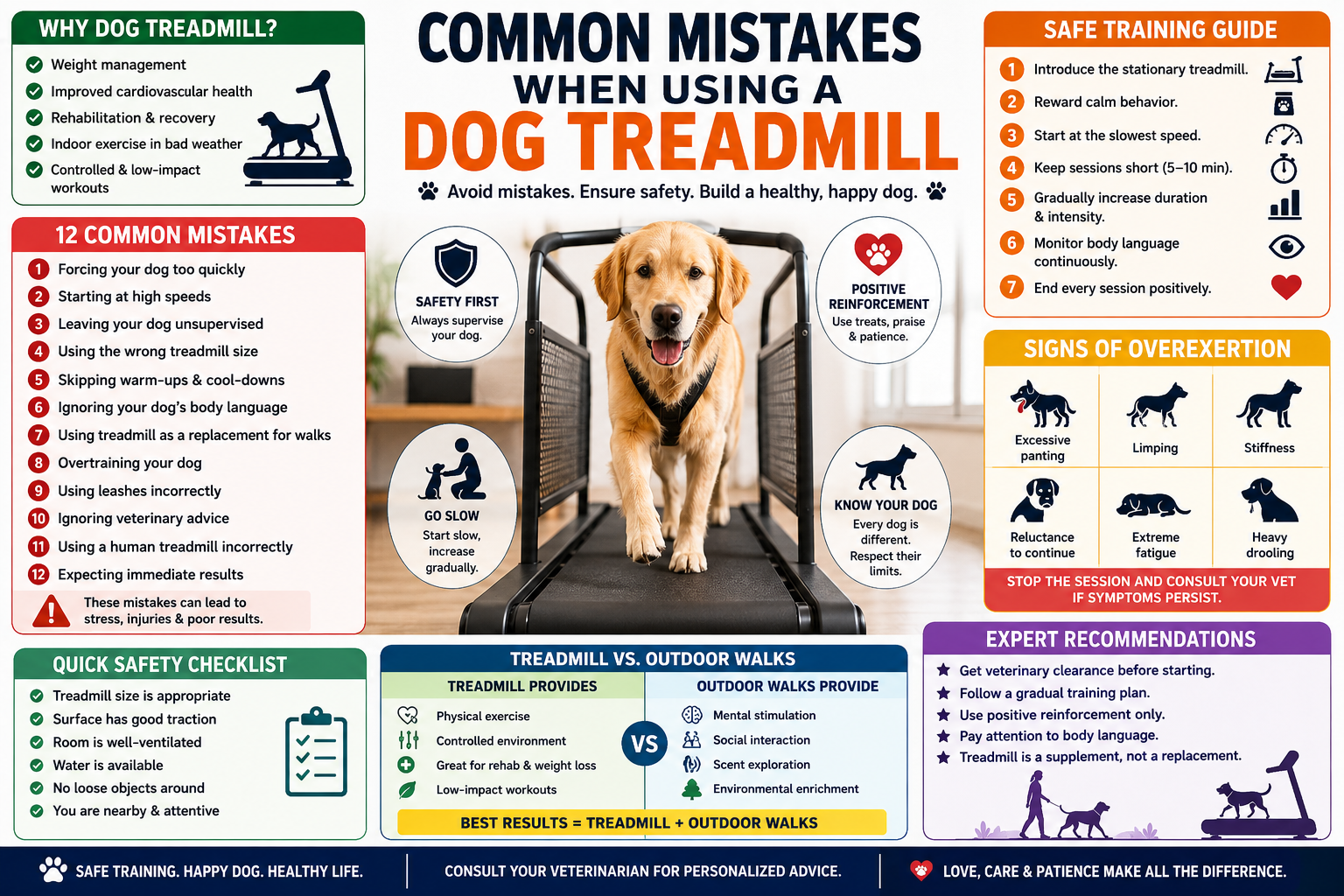
Many first-time pet owners unknowingly slow their dog’s progress by making simple mistakes.
Avoid these common errors:
- Being inconsistent with commands
- Expecting immediate results
- Training for long periods
- Punishing mistakes
- Skipping daily practice
- Using different commands for the same behavior
Patience and consistency are the foundation of successful dog training.
Establish a Daily Routine
Dogs learn faster when they have predictable schedules.
A healthy daily routine includes:
| Activity | Recommended Time |
|---|---|
| Morning Walk | 20–30 minutes |
| Breakfast | Same time daily |
| Training Session | 10–15 minutes |
| Playtime | 20–30 minutes |
| Evening Walk | 20–30 minutes |
| Bedtime | Consistent every night |
Following a routine reduces anxiety and encourages good behavior.
Keep Training Fun and Engaging
Dogs learn best when training feels like a game.
Try these ideas:
- Rotate different treats.
- Introduce puzzle toys.
- Practice commands during walks.
- Celebrate small achievements.
- End every session on a positive note.
Short, enjoyable sessions help your dog stay motivated and eager to learn.
When Should You Seek Professional Help?
If your dog displays persistent aggression, severe anxiety, excessive barking, or destructive behavior despite consistent training, consider working with a certified professional dog trainer or veterinary behaviorist.
Professional guidance can identify underlying issues and provide personalized training techniques suited to your dog’s personality.
Conclusion
Learning the essential dog training tips for first-time pet owners is the first step toward raising a happy, confident, and well-behaved dog. Focus on positive reinforcement, consistency, patience, and daily practice. Teach basic commands, establish routines, encourage socialization, and avoid common training mistakes.
Remember that every dog learns at its own pace. With time, encouragement, and love, your furry companion will develop into a loyal and obedient family member. Investing in proper training today creates a lifetime of trust, companionship, and enjoyable experiences together.
Frequently Asked Questions
1. What is the best age to start dog training?
Puppies can begin basic training as early as 8 weeks old, but adult dogs can also learn successfully with consistent practice.
2. How long should a dog training session last?
Keep sessions between 5 and 15 minutes to maintain your dog’s attention and enthusiasm.
3. Should I use treats every time?
Initially, yes. As your dog becomes consistent, gradually replace treats with praise and affection.
4. How long does it take to train a dog?
Basic obedience may take several weeks, while advanced skills can require several months depending on the dog’s age, breed, and consistency.
5. Is positive reinforcement better than punishment?
Yes. Positive reinforcement encourages learning, strengthens your bond, and is recommended by most professional trainers and animal behavior experts.