Dogs thrive on movement. Regular exercise is one of the most important parts of keeping your furry friend healthy, happy, and mentally stimulated. Whether you have an energetic puppy or a senior dog, daily physical activity improves overall well-being and strengthens the bond between you and your pet. In this guide, you’ll discover the health benefits of regular dog exercise, the best activities for different breeds, and practical tips to create a safe exercise routine.
Why Is Regular Dog Exercise Important?
Regular exercise is essential for maintaining your dog’s physical and mental health. Just like humans, dogs need consistent activity to stay fit, prevent disease, and release excess energy. Without enough exercise, dogs may become overweight, anxious, or develop destructive behaviors such as excessive barking, chewing, or digging.
Benefits of regular exercise include:
- Maintains a healthy body weight
- Strengthens muscles and joints
- Improves heart and lung health
- Reduces stress and anxiety
- Prevents boredom
- Supports healthy digestion
- Increases lifespan
A well-exercised dog is generally calmer, happier, and easier to train.
Physical Health Benefits of Regular Dog Exercise
1. Helps Maintain a Healthy Weight
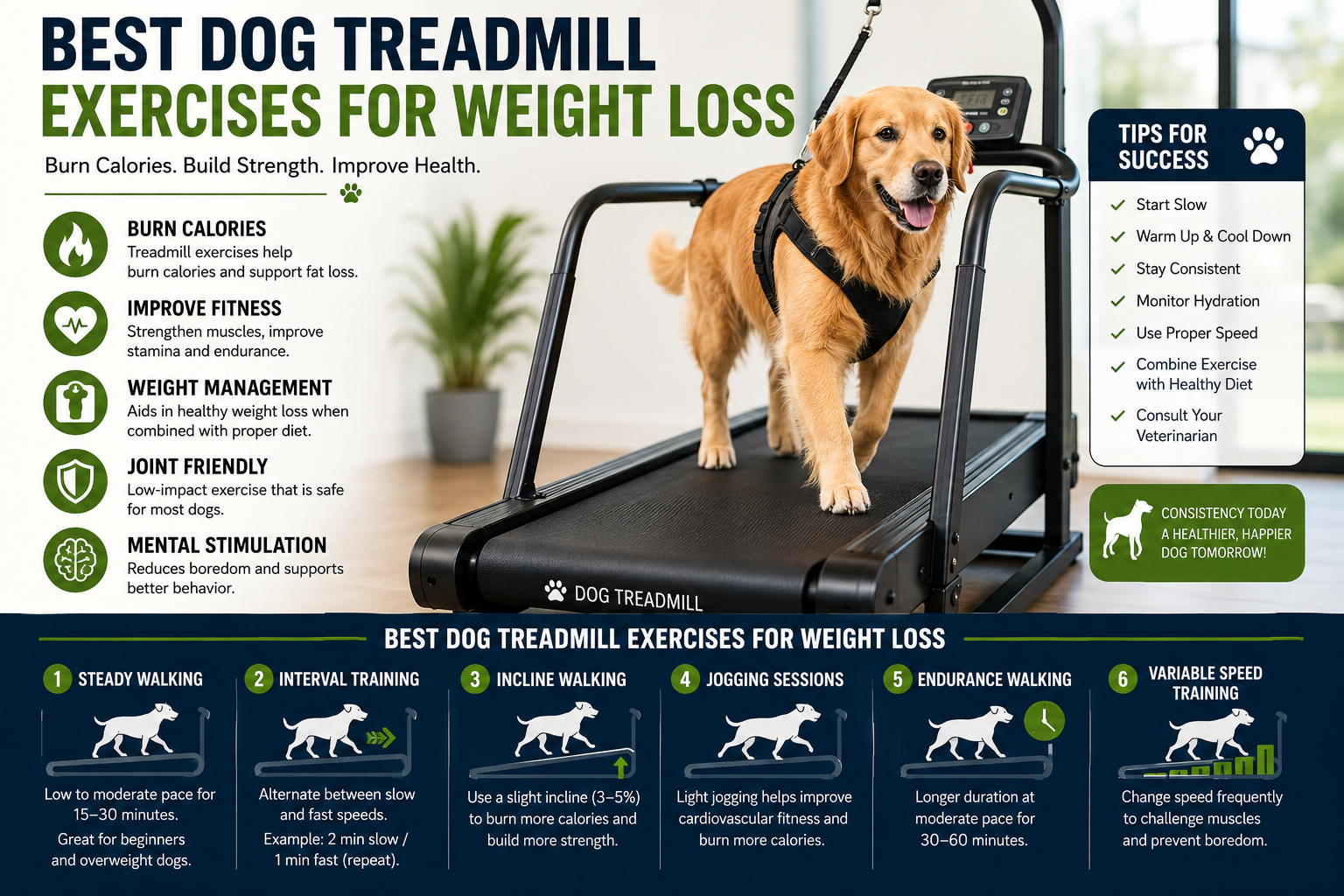
Obesity is one of the most common health issues in dogs. Carrying extra weight increases the risk of diabetes, arthritis, heart disease, and joint problems. Daily walks, running, and play sessions burn calories and help dogs maintain an ideal body condition.
Combining regular exercise with a balanced diet is the best way to keep your dog fit.
2. Strengthens Muscles and Bones
Exercise helps build lean muscle mass while supporting strong bones and healthy joints. Activities like walking on different surfaces, climbing hills, and swimming improve flexibility and balance.
Strong muscles also reduce the risk of injuries as dogs age.
3. Improves Cardiovascular Health
Daily physical activity strengthens the heart and improves blood circulation. Dogs that exercise regularly often have:
- Better endurance
- Improved oxygen flow
- Lower risk of cardiovascular disease
- Healthier blood pressure
Even a 30-minute daily walk can make a significant difference.
4. Supports Joint Health
Moderate exercise keeps joints lubricated and flexible. Low-impact activities such as swimming and controlled walking are especially beneficial for senior dogs or breeds prone to hip dysplasia.
Always adjust exercise intensity based on your dog’s age and health condition.
Mental Health Benefits of Dog Exercise
Physical activity isn’t just good for the body—it also supports mental well-being.
Reduces Anxiety and Stress
Prevents Boredom
Bored dogs often create their own entertainment by chewing furniture, digging holes, or barking excessively. Regular walks and interactive games provide mental stimulation and prevent destructive habits.
Boosts Brain Function
Activities that involve problem-solving, scent work, or agility training improve cognitive function. Learning new commands during exercise also keeps your dog’s brain active.
Best Types of Exercise for Dogs
Different dogs have different exercise needs. Choose activities based on your dog’s breed, age, and energy level.
Walking
Walking is the easiest and most effective daily exercise. It improves cardiovascular health while allowing dogs to explore new sights and smells.
Running
High-energy breeds like Border Collies, Labrador Retrievers, and German Shepherds enjoy running with their owners.
Swimming
Swimming is gentle on joints and provides a full-body workout. It is ideal for older dogs and dogs recovering from injuries.
Fetch
Playing fetch builds endurance, improves coordination, and strengthens the bond between you and your pet.
Agility Training
Obstacle courses challenge both the body and mind. Agility training improves confidence, coordination, and obedience.
Dog Treadmills
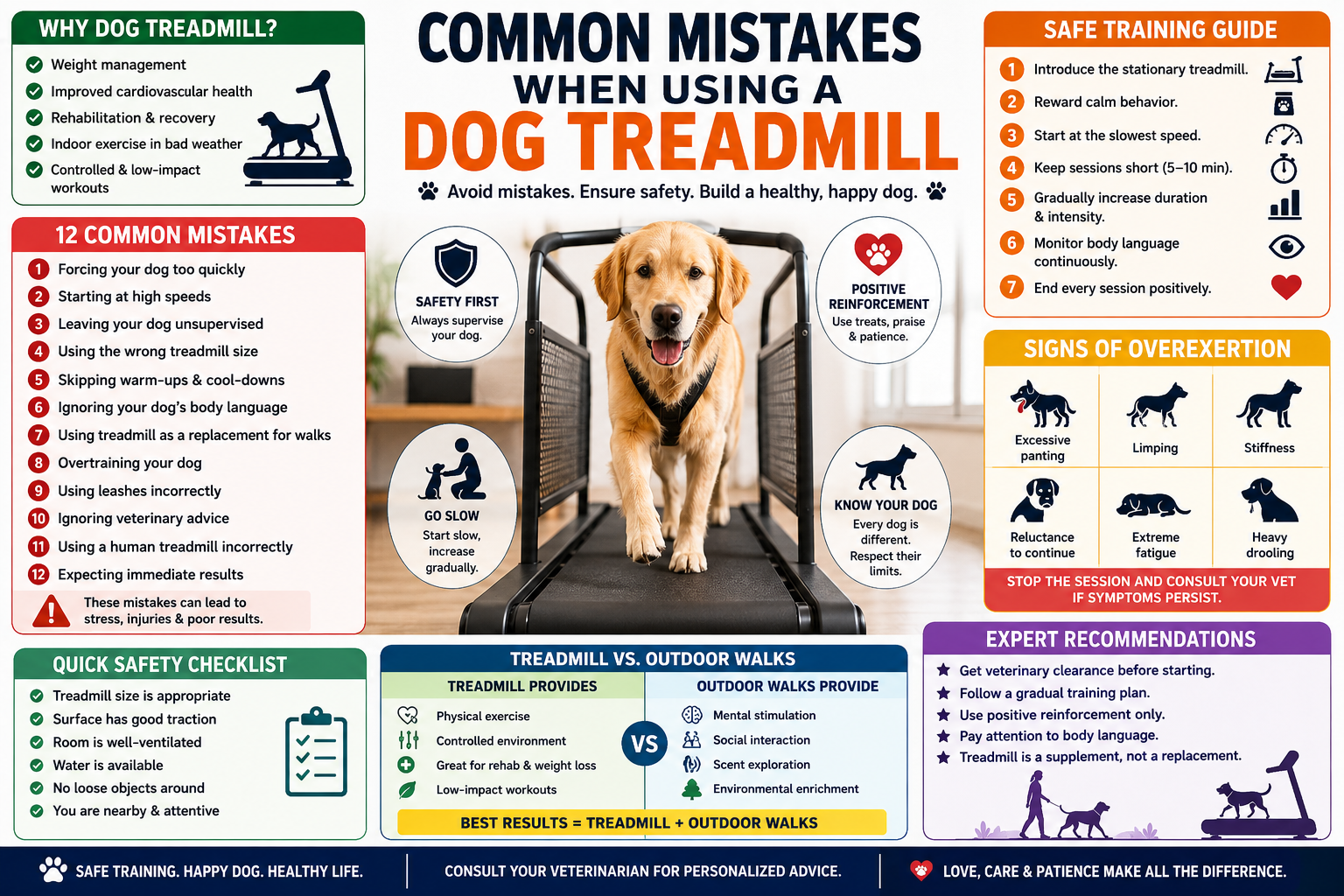
Indoor dog treadmills are excellent for maintaining a consistent exercise routine during bad weather or busy schedules. They allow controlled workouts while helping active dogs burn excess energy safely.
How Much Exercise Does a Dog Need?
Exercise requirements vary depending on breed, size, and age.
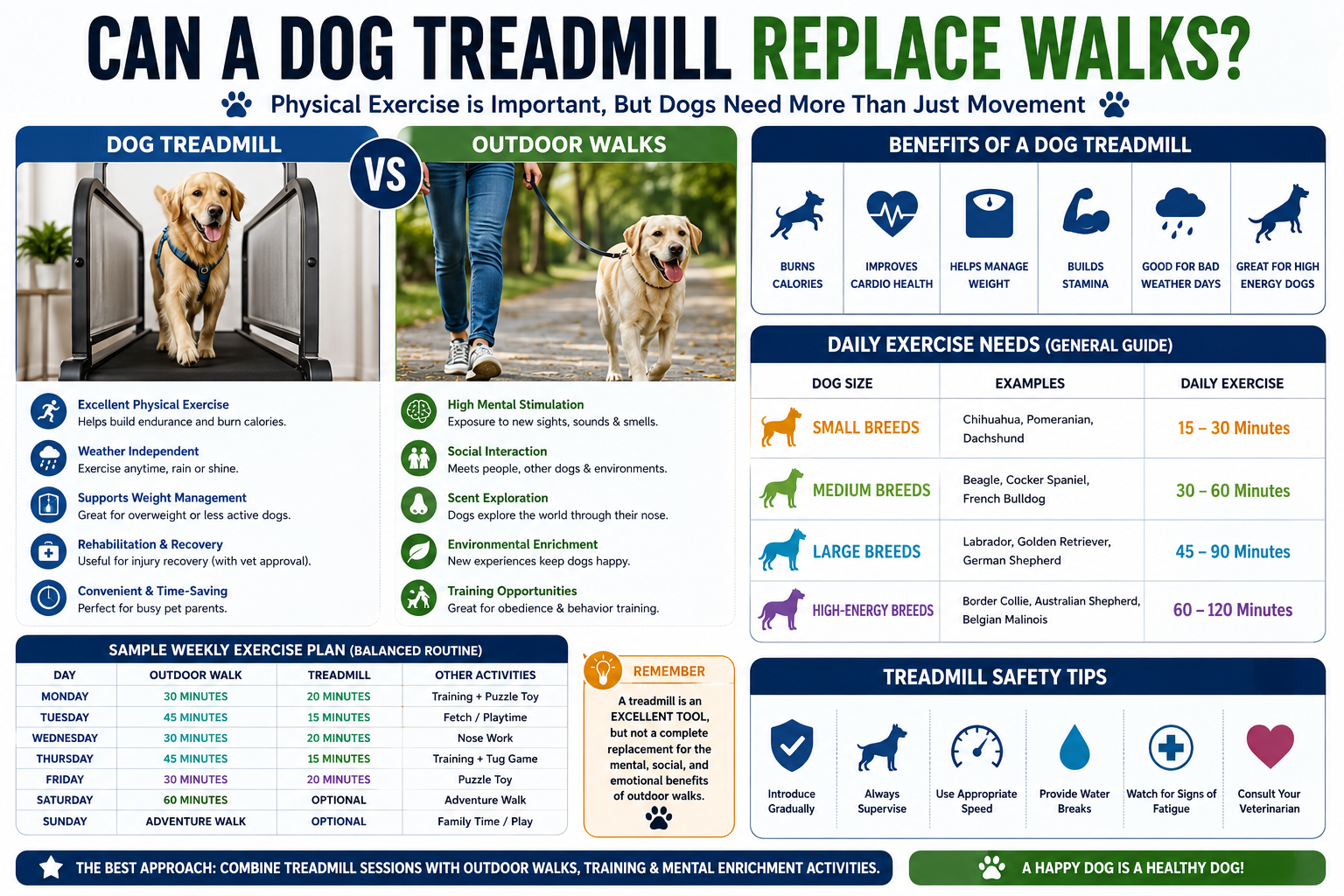
| Dog Type | Recommended Daily Exercise |
|---|---|
| Puppies | 20–40 minutes |
| Small breeds | 30–45 minutes |
| Medium breeds | 45–60 minutes |
| Large breeds | 60–90 minutes |
| Working breeds | 90–120 minutes |
| Senior dogs | 20–45 minutes |
Always consult your veterinarian before starting an intense exercise program, especially if your dog has existing medical conditions.
Signs Your Dog Needs More Exercise
Your dog may require additional activity if you notice:
- Excessive barking
- Chewing household items
- Digging in the yard
- Weight gain
- Restlessness
- Hyperactive behavior
- Difficulty sleeping
Increasing exercise gradually can help reduce these issues.
Safety Tips for Exercising Your Dog
To keep exercise safe and enjoyable:
- Always provide fresh drinking water.
- Avoid exercising during extreme heat.
- Start slowly if your dog is inactive.
- Use a properly fitted harness or leash.
- Check paw pads after walks on hot pavement.
- Allow rest breaks during intense activity.
- Watch for signs of fatigue or overheating.
Safety should always come first.
Common Mistakes Dog Owners Make
Avoid these common errors:
- Exercising puppies too intensely
- Ignoring breed-specific exercise needs
- Skipping warm-up and cool-down walks
- Overfeeding while increasing activity
- Exercising during the hottest part of the day
- Not providing enough mental stimulation
A balanced routine of physical and mental exercise produces the best results.
Tips for Building a Daily Exercise Routine
Creating a consistent routine helps dogs stay healthy.
- Walk your dog at the same time each day.
- Mix different activities to prevent boredom.
- Include short training sessions during walks.
- Use toys that encourage movement.
- Increase exercise gradually.
- Reward positive behavior after activities.
Consistency is more important than intensity.
Conclusion
The health benefits of regular dog exercise go far beyond keeping your pet active. Daily exercise supports a healthy weight, strengthens muscles and joints, improves heart health, reduces anxiety, prevents boredom, and enhances your dog’s overall quality of life. Whether you choose walking, swimming, fetch, agility training, or a dog treadmill, regular physical activity is one of the best investments you can make in your dog’s long-term health. By following a consistent exercise routine tailored to your dog’s age and breed, you’ll help your canine companion live a happier, healthier, and longer life.
Frequently Asked Questions
1. Why is regular exercise important for dogs?
Regular exercise helps maintain a healthy weight, improves heart health, strengthens muscles and joints, and supports mental well-being.
2. How often should I exercise my dog?
Most healthy adult dogs benefit from 30–90 minutes of exercise daily, depending on their breed and energy level.
3. Can puppies exercise every day?
Yes, but puppies need shorter, age-appropriate exercise sessions to avoid overloading their developing joints.
4. Is walking enough exercise for a dog?
Walking is excellent for many dogs, but high-energy breeds often need additional activities like running, fetch, or agility training.
5. Can dog treadmills replace outdoor walks?
Dog treadmills are a great supplement, especially during bad weather, but outdoor walks provide valuable mental stimulation through new sights, sounds, and smells.